

Do You Need a Home Humidifier This Winter?
When the air gets cold, it loses its capacity to hold water vapor. Lower temperatures cause air molecules to move more slowly and cluster together, which increases the rate of condensation. The heat from your home’s heating system further depletes moisture from the already low-moisture air, leaving your indoor environment even drier. A home atmosphere that feels uncomfortably dry can take a toll on both your health and the condition of your house. That’s why whole-home humidifiers are a true winter essential.
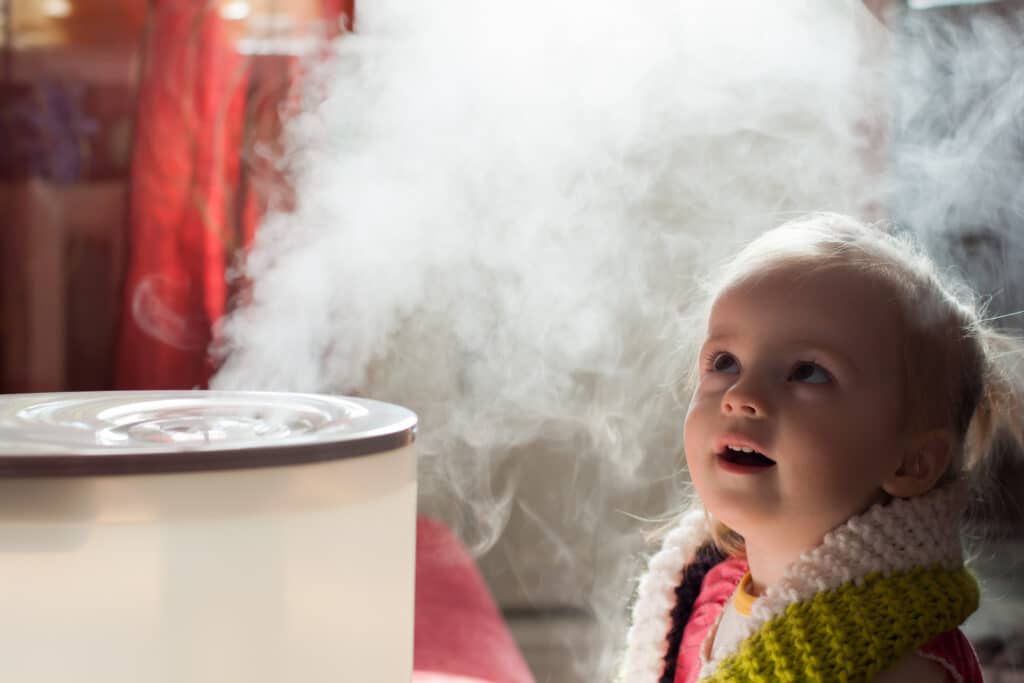
Signs You Need a Home Humidifier
The first sign that you need a humidifier is when you experience irritated sinuses or nosebleeds. The lining of your respiratory system is meant to be moist. This helps maintain the integrity of cells, facilitates gas exchange, traps pathogens, and reduces surface tension. If you strip away this protective moisture by breathing in excessively dry air, tissue becomes irritated, inflamed, and vulnerable. The results can include nosebleeds, asthma flares, allergy symptoms, difficulty breathing, a scratchy throat, and persistent coughing.
You can also experience dry skin and chapped lips. Again, dry air will strip moisture from your skin and hair, leaving them brittle, itchy, and uncomfortable. Over time, this can lead to a flaking scalp, cracked skin and lips, and an overall unhealthy appearance.
Another sign you need a humidifier is poor indoor air quality. Dry air keeps particles light and airborne, so dust, fumes, debris, and allergens remain suspended longer instead of settling. This means you’ll be more exposed to an increase in irritants, which can worsen allergy symptoms, trigger asthma attacks, and make sleeping difficult.
Home Humidifier Types and Sizing
For better health and indoor comfort, you must choose the best humidifier design for your home. There are many types, models, and capacities available on the market today. You may need professional help through this process.
The main types of humidifiers include evaporator, impeller, steam, and ultrasonic. Evaporative humidifiers are fan-powered, single-unit systems that work by blowing moisture into the air through a damp filter, wick, or belt.
Impeller humidifiers utilize rotating disks that spin at high speeds to release a cool mist into the air. Homeowners with children prefer them because they don’t use heat, making them safer to operate in family environments.
Steam vaporizers heat water to create steam, which cools slightly before being released into the air. Meanwhile, ultrasonic humidifiers use high-frequency vibration to produce a fine mist, which is then distributed throughout the home.
For sizing consideration, you’ll need a professional HVAC inspection, especially if you are considering a whole-home system. The appropriate humidifier capacity must factor in your property’s size and layout, the number of household occupants, the type of HVAC system you use, energy-efficiency goals, and any desirable features or capabilities.
Home Humidifier Settings and Smart Controls
The settings and controls of your humidifier will depend on the type and model you purchase. However, there are certain similarities across most units that make the operation straightforward. For starters, if you have a humidifier that can pair with your smart thermostat, you can set it to automatically regulate indoor humidity levels based on real-time conditions. This is why thermostat placement is very important. It must accurately read the room to ensure your humidifier responds correctly. Avoid areas near drafts, direct sunlight, or heat sources.
You should also understand the best humidity levels for your home. Typically, the ideal range is between 30% and 50%. Levels below 30% can cause dry air discomfort, while levels above 50% may encourage mold growth, dust mite proliferation, and condensation problems.
Got an Emergency?
We Can Help!
Home Humidifier Maintenance and Care
If you have a portable humidifier, empty any standing water and dry the base of the tank every two to three days. This will not only prevent mineral growth but also reduce the risk of mold and bacteria growth. Stagnant water is a breeding ground for microorganisms. If left unchecked, your humidifier could end up dispersing harmful particles into the air instead of clean, moist air.
For whole-home humidifiers, replace the filter or pad before the winter season begins and after the season ends. Doing this also prevents mineral deposits or microbial growth inside the unit. More importantly, design a maintenance plan with your trusted HVAC technician. They will ensure sensors are functioning optimally, water lines are clear, and any premature damage or wear is addressed before it becomes a costly repair.
Install a Home Humidifier Before Peak Winter
Schedule service with Comfort Zone Service today to install, repair, or maintain your humidifier. We are an A+-rated HVAC company with nearly four decades of trusted experience serving homeowners in Chicago’s Southwest Suburbs. Call Comfort Zone Service for humidifier services in Chicago today.
a new indoor comfort
system or repair? Don’t spend another uncomfortable minute…

How To Prepare Your Water Heater for a Chicago Winter
Continue Reading
Do You Need a Home Humidifier This Winter?
Continue Reading
11 Furnace Tune-Up Tasks for November
Continue ReadingSchedule Your
Free estimate today!


Comfort Club Membership Has Its Perks
Join our Comfort Club and enjoy big savings, priority scheduling, plus other exclusive member benefits:
- Front-of-the-line service
- Save 10% on repairs
- Discounts on new equipment
- No commitment required